 Written by: Astronomy Guide Editorial Team
Posted on: July 8, 2026
Written by: Astronomy Guide Editorial Team
Posted on: July 8, 2026
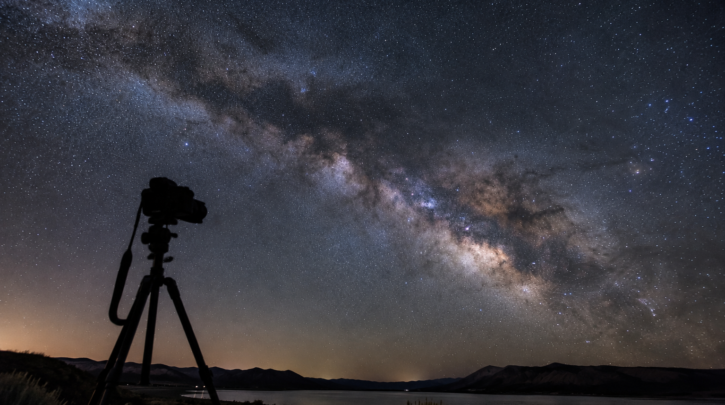
Astrophotography for Beginners: The Complete Starting Guide
Astrophotography covers a wider range than people expect — from a basic camera on a tripod capturing the Milky Way over a landscape, to a dedicated telescope and cooled camera imaging a faint galaxy over hours. Understanding the different tiers, and what each actually requires,…
 Written by: Astronomy Guide Editorial Team
Posted on: July 8, 2026
Written by: Astronomy Guide Editorial Team
Posted on: July 8, 2026
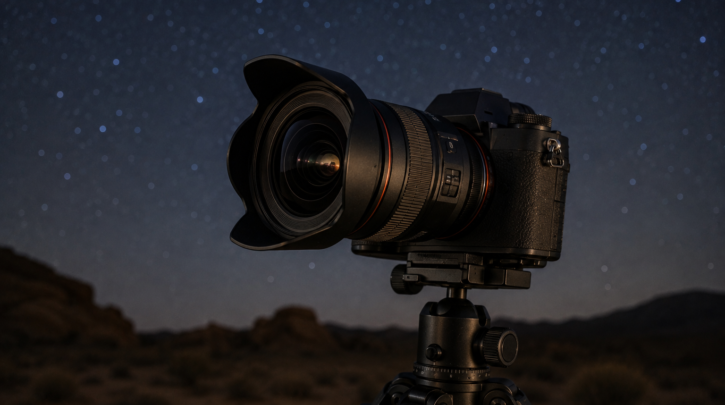
Best Cameras for Astrophotography: What Actually Matters
A good astrophotography camera doesn’t need to be new or expensive — it needs manual exposure control, RAW capture, and reasonable performance at high ISO settings. Most mirrorless and DSLR cameras from the last decade meet that bar, which means the camera you already own…
 Written by: Astronomy Guide Editorial Team
Posted on: July 8, 2026
Written by: Astronomy Guide Editorial Team
Posted on: July 8, 2026
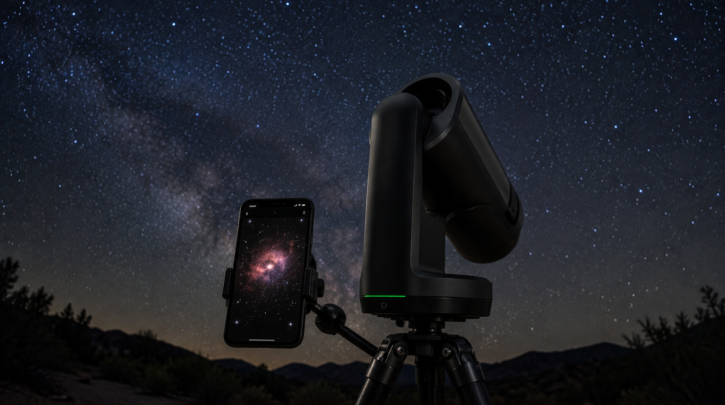
Best Smart Telescopes for Astrophotography
Smart telescopes replace the traditional deep-sky astrophotography stack — telescope, tracking mount, guide scope, dedicated camera, and stacking software — with a single automated unit that finds a target, tracks it, and builds up a stacked image in real time through an app. For anyone…
 Written by: Astronomy Guide Editorial Team
Posted on: July 8, 2026
Written by: Astronomy Guide Editorial Team
Posted on: July 8, 2026
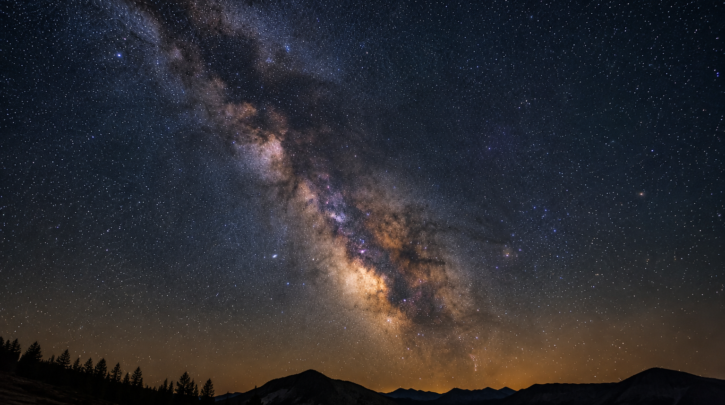
How to Photograph the Milky Way
A good Milky Way photo depends more on timing and location than on advanced gear — a new moon, a dark sky, and the right season for the galactic core to be visible matter more than any camera setting. Once those conditions are right, the…
 Written by: Astronomy Guide Editorial Team
Posted on: July 8, 2026
Written by: Astronomy Guide Editorial Team
Posted on: July 8, 2026
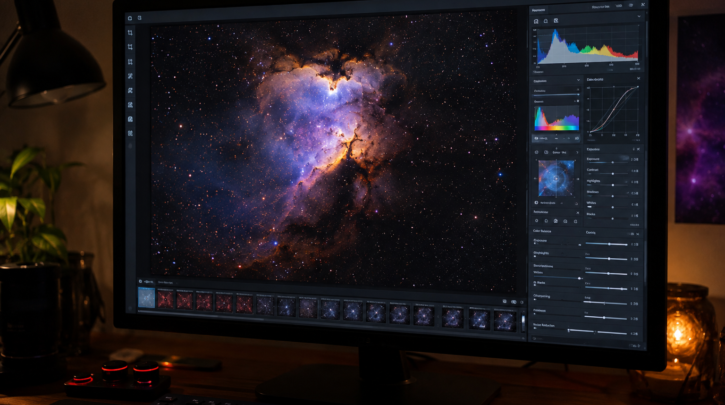
Astrophotography Editing Basics: Stacking and Processing
Most detailed astrophotos aren’t a single perfect exposure — they’re dozens or hundreds of shorter exposures stacked together to boost signal and reduce noise, then processed to bring out detail that isn’t visible in any individual frame. Understanding this basic workflow demystifies a lot of…
 Written by: Astronomy Guide Editorial Team
Posted on: July 8, 2026
Written by: Astronomy Guide Editorial Team
Posted on: July 8, 2026
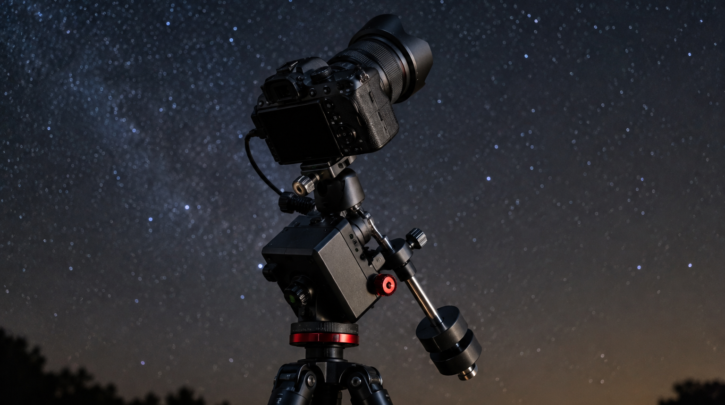
Best Star Trackers for Astrophotography
A star tracker is a small motorized mount that rotates a camera to match Earth’s rotation, allowing exposures dramatically longer than a static tripod shot without stars trailing into streaks. For wide-field and Milky Way photography, it’s often the single biggest upgrade available after a…
 Written by: Astronomy Guide Editorial Team
Posted on: July 8, 2026
Written by: Astronomy Guide Editorial Team
Posted on: July 8, 2026
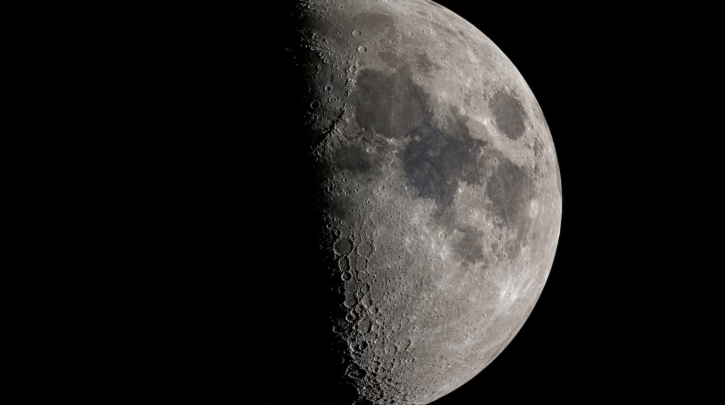
Moon Photography: Settings and Techniques
The Moon is the most forgiving astrophotography target by far — it’s bright enough to shoot handheld in some cases, doesn’t require a dark sky, and is available most nights of the month. Getting real crater detail rather than a flat white disc comes down…