 Written by: Astronomy Guide Editorial Team
Posted on: July 8, 2026
Written by: Astronomy Guide Editorial Team
Posted on: July 8, 2026
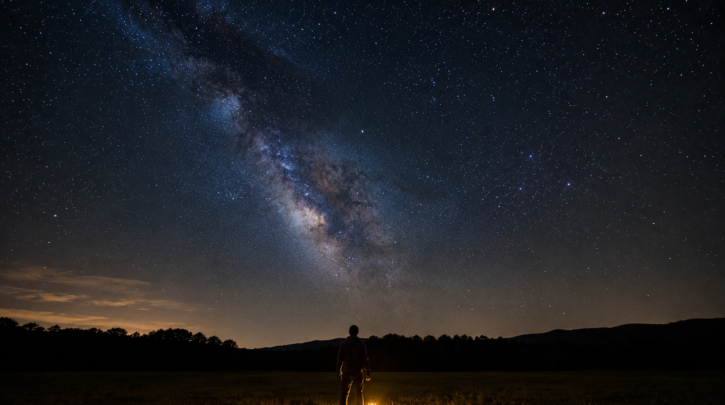
How to Start Stargazing: A Complete Beginner’s Guide
The most common mistake in stargazing is starting with a telescope. The actual first steps are your own eyes, a clear night, and a plan for what you’re looking for — gear comes later, once you know what you enjoy looking at and how serious…
 Written by: Astronomy Guide Editorial Team
Posted on: July 8, 2026
Written by: Astronomy Guide Editorial Team
Posted on: July 8, 2026
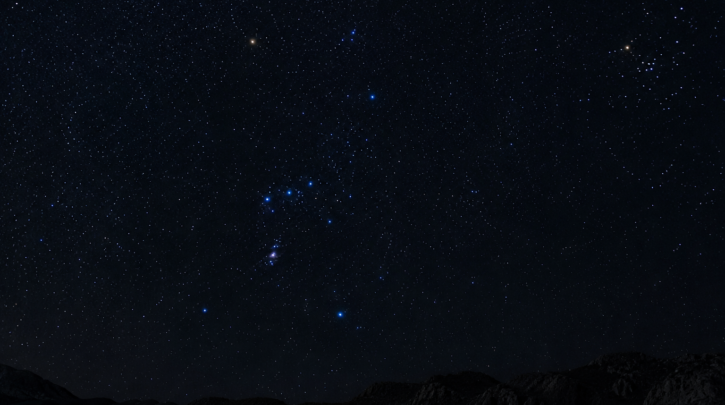
Constellation Guide for Beginners: Where to Start
There are 88 officially recognized constellations, but you don’t need to know anywhere near all of them to start navigating the sky confidently. A handful of bright, easy-to-recognize patterns act as anchor points you can use to find everything else, and that’s the smarter place…
 Written by: Astronomy Guide Editorial Team
Posted on: July 8, 2026
Written by: Astronomy Guide Editorial Team
Posted on: July 8, 2026
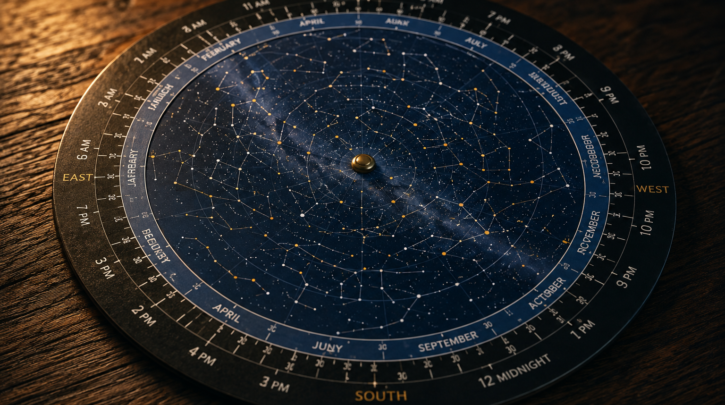
How to Read a Star Chart (Planisphere)
A star chart, or planisphere, is a rotating map of the sky that shows exactly what’s visible from a given latitude at any date and time. Once you know how to orient one, it turns a confusing dome of stars into a navigable map —…
 Written by: Astronomy Guide Editorial Team
Posted on: July 8, 2026
Written by: Astronomy Guide Editorial Team
Posted on: July 8, 2026
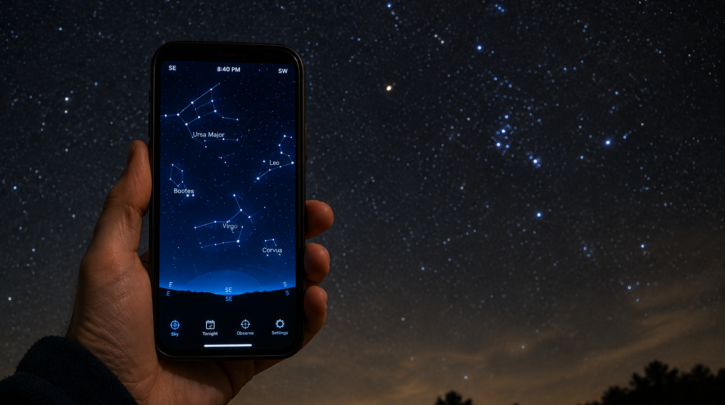
Best Stargazing Apps for Beginners
Stargazing apps fall into two broad categories: point-your-phone-at-the-sky augmented reality apps that identify what you’re looking at instantly, and full planetarium software that lets you plan a session, look up rise and set times, and explore the sky in detail from your couch. Most serious…
 Written by: Astronomy Guide Editorial Team
Posted on: July 8, 2026
Written by: Astronomy Guide Editorial Team
Posted on: July 8, 2026
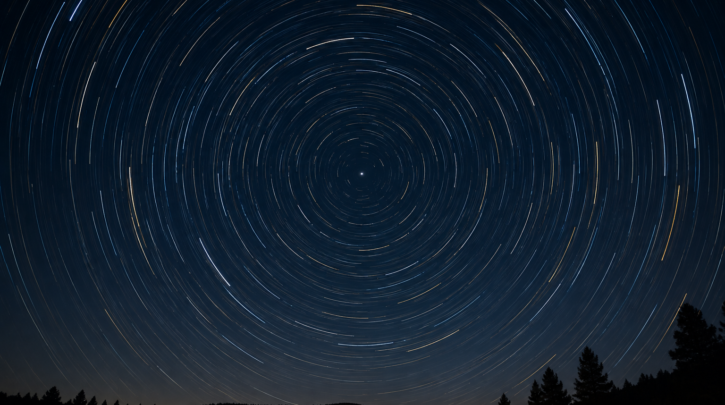
How to Find the North Star (Polaris)
Polaris, the North Star, sits almost exactly above Earth’s north pole, which makes it appear nearly motionless while every other star in the northern sky wheels around it over the course of a night. It’s a useful landmark and a genuine navigation tool, even though…
 Written by: Astronomy Guide Editorial Team
Posted on: July 8, 2026
Written by: Astronomy Guide Editorial Team
Posted on: July 8, 2026
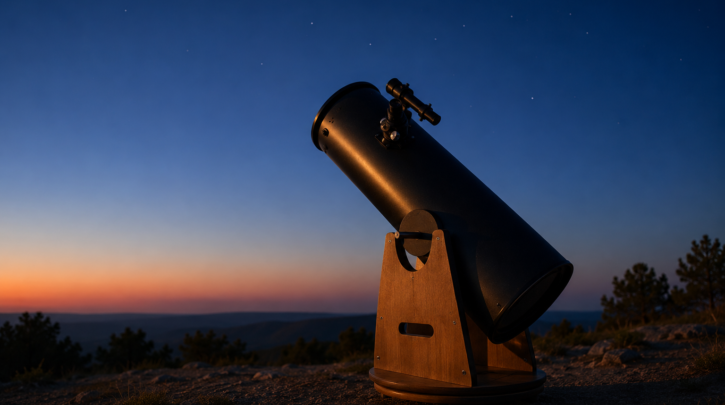
Best Beginner Telescopes: Manual vs. Smart Telescopes
The most important beginner telescope lesson has nothing to do with brand or price: aperture — the diameter of the main lens or mirror — determines how much light a telescope gathers, and that matters far more than magnification. A telescope marketed on high magnification…
 Written by: Astronomy Guide Editorial Team
Posted on: July 8, 2026
Written by: Astronomy Guide Editorial Team
Posted on: July 8, 2026
Light Pollution and Stargazing: What You Can Still See
Light pollution changes what’s visible in the night sky, but it doesn’t end stargazing — the Moon, planets, and brightest stars remain visible from even a fairly bright city, while fainter objects like galaxies and nebulae need genuinely dark conditions or, increasingly, a smart telescope…