 Written by: Astronomy Guide Editorial Team
Posted on: July 8, 2026
Written by: Astronomy Guide Editorial Team
Posted on: July 8, 2026
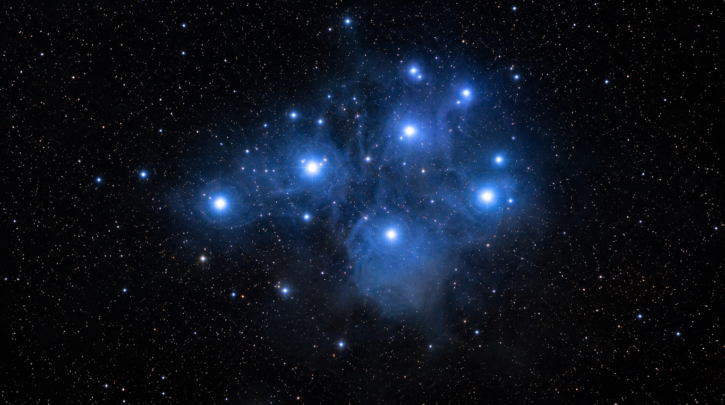
Deep-Sky Observing: A Complete Guide to Clusters, Nebulae, and Galaxies
Deep-sky objects — everything beyond our own solar system, from star clusters to nebulae to entire galaxies — are the most rewarding and most demanding targets in amateur astronomy. They’re faint, they need real aperture and dark skies to show much detail, and the eyepiece…
 Written by: Astronomy Guide Editorial Team
Posted on: July 8, 2026
Written by: Astronomy Guide Editorial Team
Posted on: July 8, 2026
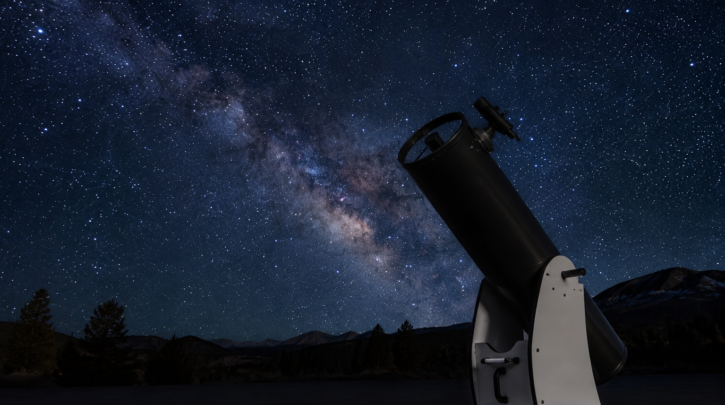
Best Telescopes for Galaxy Hunting
Galaxy hunting flips the priorities that matter for planetary viewing: aperture matters more than focal ratio, and a genuinely dark sky matters more than almost any equipment upgrade. It’s also the category where the gap between traditional and smart telescopes is largest — and most…
 Written by: Astronomy Guide Editorial Team
Posted on: July 8, 2026
Written by: Astronomy Guide Editorial Team
Posted on: July 8, 2026
The Messier Catalog: A Beginner’s Guide to the Best Deep-Sky Targets
The Messier catalog — 110 numbered deep-sky objects, from M1 to M110 — was never meant to be a target list at all. Charles Messier, an 18th-century French comet hunter, catalogued these fuzzy, stationary objects specifically to avoid mistaking them for comets. The unintended result…
 Written by: Astronomy Guide Editorial Team
Posted on: July 8, 2026
Written by: Astronomy Guide Editorial Team
Posted on: July 8, 2026
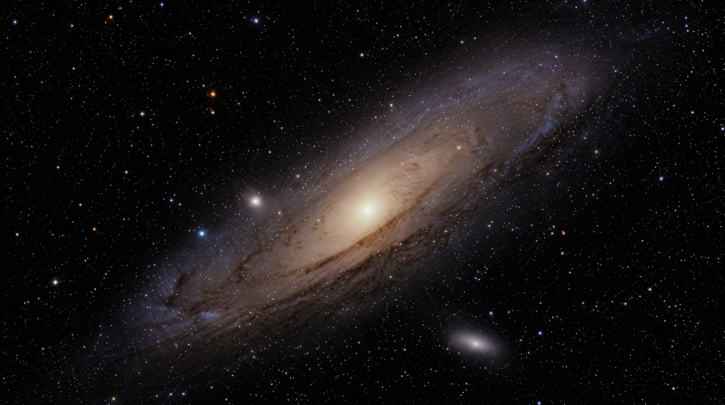
How to Find the Andromeda Galaxy
The Andromeda Galaxy, cataloged as M31, is the most distant object visible to the unaided human eye — roughly 2.5 million light-years away, and still bright enough to spot as a faint smudge under a reasonably dark sky. Finding it reliably comes down to a…
 Written by: Astronomy Guide Editorial Team
Posted on: July 8, 2026
Written by: Astronomy Guide Editorial Team
Posted on: July 8, 2026
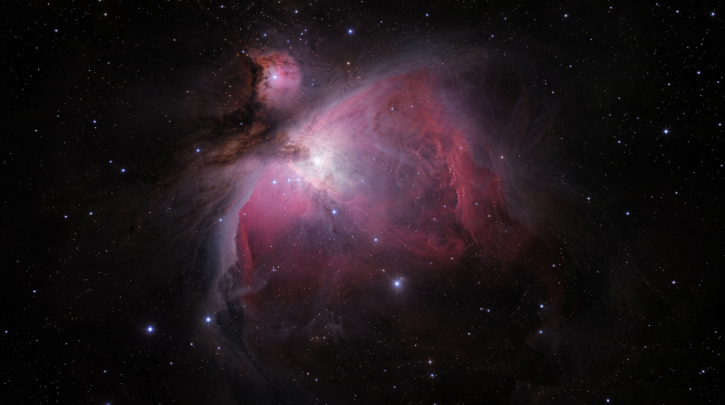
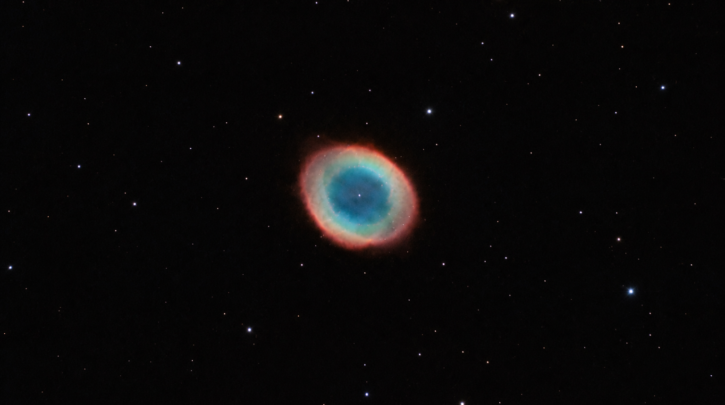
Nebulae Viewing Guide: Types and How to See Them
Nebulae aren’t one thing — the word covers several genuinely different objects, from glowing star-forming clouds to the expanding wreckage of exploded stars, each with a different cause, appearance, and best viewing approach. Emission Nebulae Emission nebulae are clouds of gas, mostly hydrogen, that glow…