 Written by: Astronomy Guide Editorial Team
Posted on: July 8, 2026
Written by: Astronomy Guide Editorial Team
Posted on: July 8, 2026
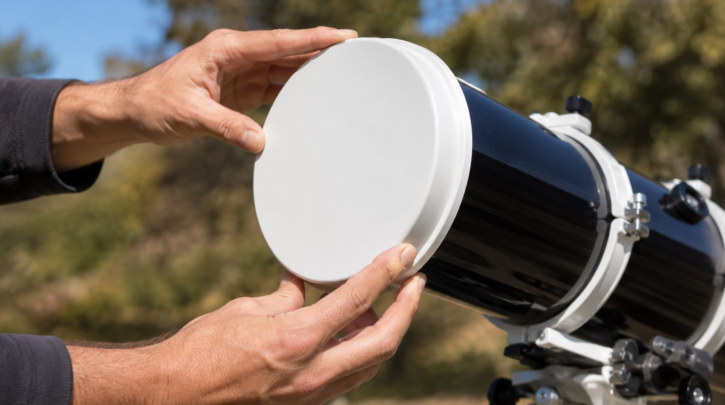
Best Solar Filters and Telescopes for Safe Solar Viewing
Choosing solar equipment starts with one non-negotiable rule: any filter must cover the full front aperture of a telescope, never the eyepiece end, and must be specifically certified for solar use. Beyond that baseline safety requirement, the choice comes down to white-light filters, a Herschel…
 Written by: Astronomy Guide Editorial Team
Posted on: July 8, 2026
Written by: Astronomy Guide Editorial Team
Posted on: July 8, 2026
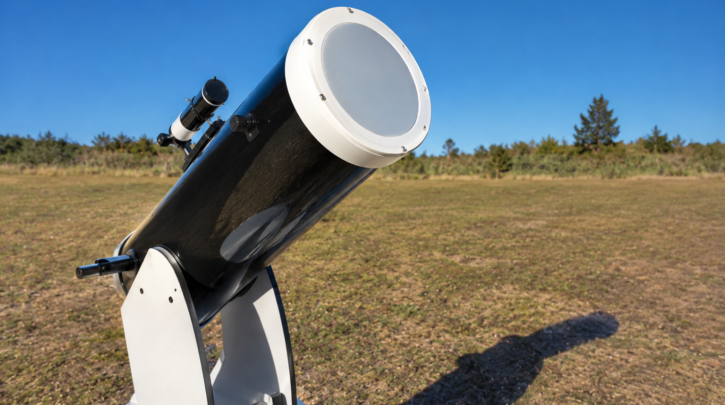
Solar Observation: A Complete Guide to Daytime Astronomy
Solar observation is the one branch of astronomy that happens in broad daylight — no dark sky, no late nights, just the Sun itself, viewed safely through dedicated equipment built specifically for the purpose. It’s also the branch where safety equipment isn’t optional in any…
 Written by: Astronomy Guide Editorial Team
Posted on: July 8, 2026
Written by: Astronomy Guide Editorial Team
Posted on: July 8, 2026
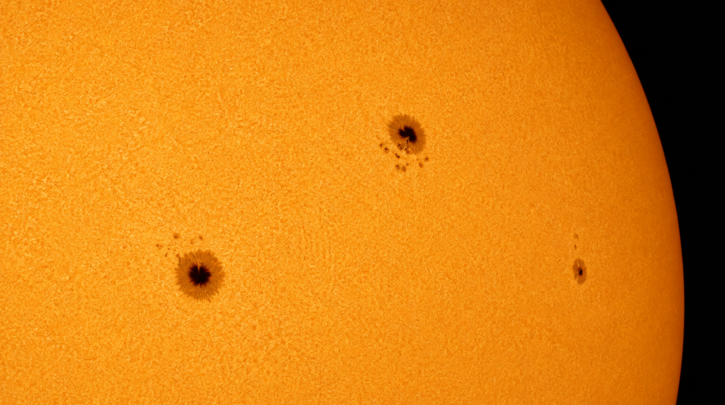
Sunspot Viewing Guide: What They Are and How to Track Them
Sunspots are the most accessible target in solar observing — visible in even a modest, properly filtered telescope, genuinely rewarding to track over several days, and a direct, visible link to the Sun’s roughly 11-year activity cycle. What Sunspots Actually Are Sunspots form where concentrated…
 Written by: Astronomy Guide Editorial Team
Posted on: July 8, 2026
Written by: Astronomy Guide Editorial Team
Posted on: July 8, 2026
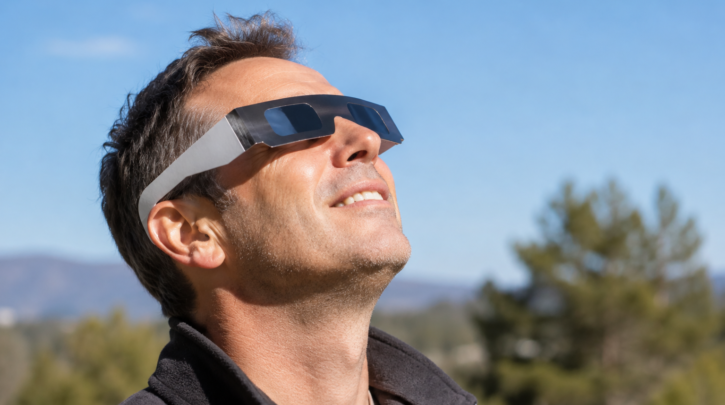
Safe Sun Viewing Methods: A Complete Reference
Every method of viewing the Sun safely comes back to the same core principle: never let unfiltered sunlight reach your eye, whether directly or through any optical instrument, on any day — not just during an eclipse. This reference covers the safe methods for routine…