 Written by: Astronomy Guide Editorial Team
Posted on: July 8, 2026
Written by: Astronomy Guide Editorial Team
Posted on: July 8, 2026
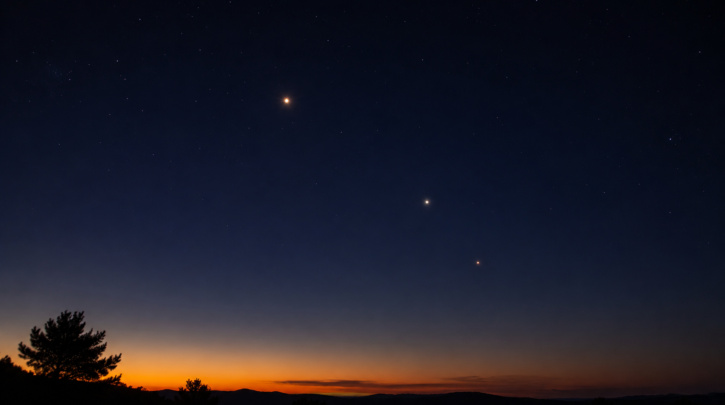
Planet Watching: A Complete Guide to Seeing the Planets
Five planets — Mercury, Venus, Mars, Jupiter, and Saturn — are visible to the naked eye without any equipment at all, and have been observed since antiquity long before telescopes existed. Knowing when and where to look, and how to tell a planet from an…
 Written by: Astronomy Guide Editorial Team
Posted on: July 8, 2026
Written by: Astronomy Guide Editorial Team
Posted on: July 8, 2026
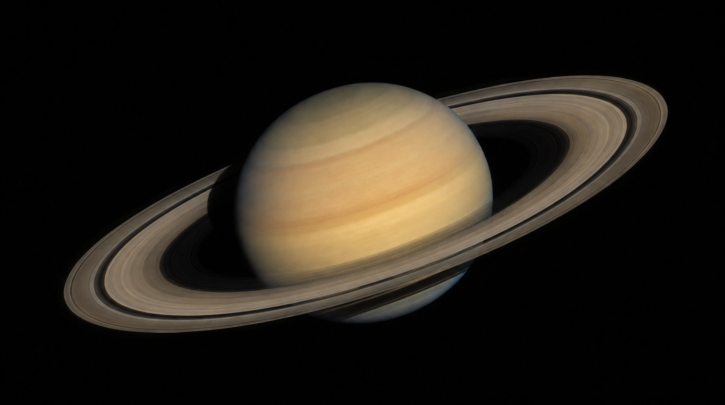
How to See Saturn’s Rings
Saturn’s rings are one of the most requested sights in amateur astronomy, and one of the most satisfying to actually deliver on — but they need a real telescope, not binoculars, and a bit of understanding about magnification and timing to see well. Why Binoculars…
 Written by: Astronomy Guide Editorial Team
Posted on: July 8, 2026
Written by: Astronomy Guide Editorial Team
Posted on: July 8, 2026
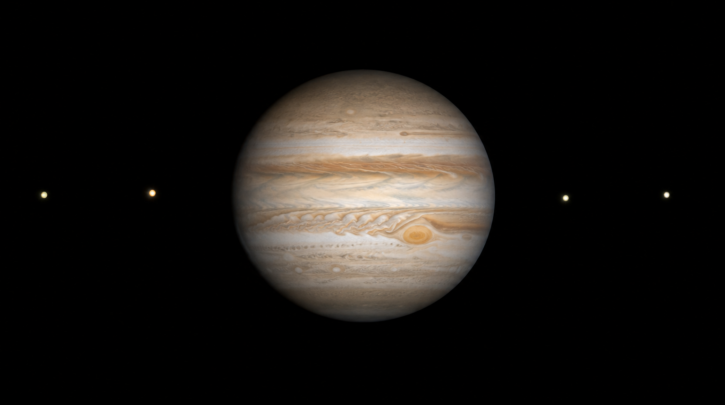
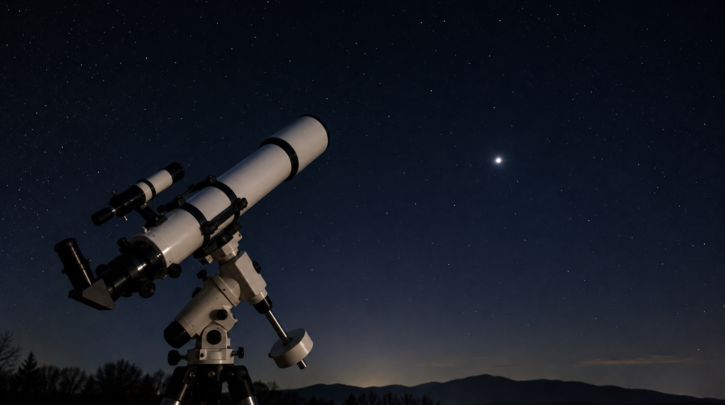
How to See Jupiter’s Moons
Jupiter’s four largest moons — Io, Europa, Ganymede, and Callisto — are bright enough to see in ordinary binoculars, and watching their positions change from night to night is one of the most accessible, genuinely dynamic sights in amateur astronomy. The Galilean Moons Named for…
 Written by: Astronomy Guide Editorial Team
Posted on: July 8, 2026
Written by: Astronomy Guide Editorial Team
Posted on: July 8, 2026
Best Telescopes for Planetary Viewing
Planetary viewing has different priorities than deep-sky observing. Where galaxies and nebulae reward raw light-gathering aperture above all else, planets are bright enough that focal length, optical sharpness, and a steady tracking mount matter just as much, if not more. Focal Length and Focal Ratio…
 Written by: Astronomy Guide Editorial Team
Posted on: July 8, 2026
Written by: Astronomy Guide Editorial Team
Posted on: July 8, 2026
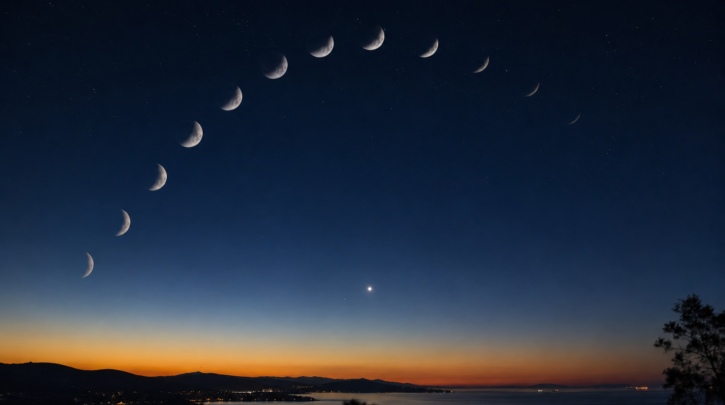
Planet Visibility Calendar: How to Know What’s Up Tonight
A printed or static “planets visible tonight” list goes out of date almost immediately, since planetary positions shift constantly. What doesn’t go out of date is understanding each planet’s visibility cycle and knowing which tools to check for the current, accurate picture — which is…