 Written by: Astronomy Guide Editorial Team
Posted on: July 8, 2026
Written by: Astronomy Guide Editorial Team
Posted on: July 8, 2026
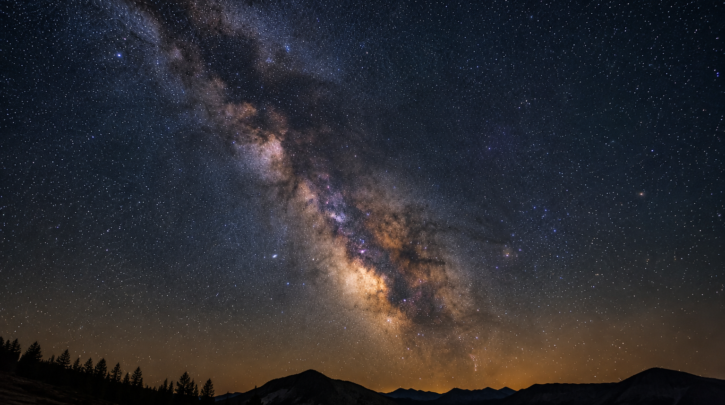
How to Photograph the Milky Way
A good Milky Way photo depends more on timing and location than on advanced gear — a new moon, a dark sky, and the right season for the galactic core to be visible matter more than any camera setting. Once those conditions are right, the…
 Written by: Astronomy Guide Editorial Team
Posted on: July 8, 2026
Written by: Astronomy Guide Editorial Team
Posted on: July 8, 2026
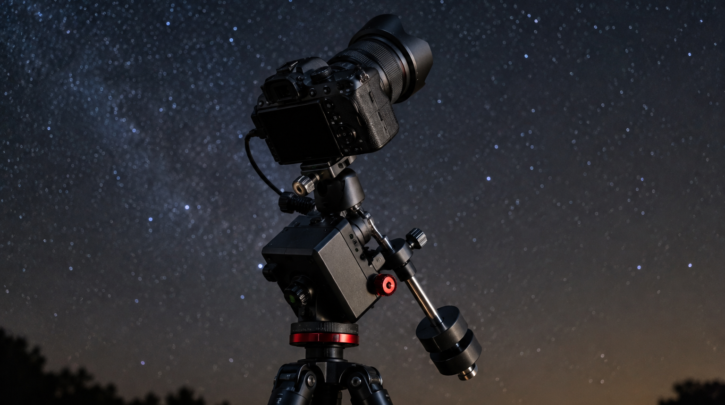
Best Star Trackers for Astrophotography
A star tracker is a small motorized mount that rotates a camera to match Earth’s rotation, allowing exposures dramatically longer than a static tripod shot without stars trailing into streaks. For wide-field and Milky Way photography, it’s often the single biggest upgrade available after a…
 Written by: Astronomy Guide Editorial Team
Posted on: July 8, 2026
Written by: Astronomy Guide Editorial Team
Posted on: July 8, 2026
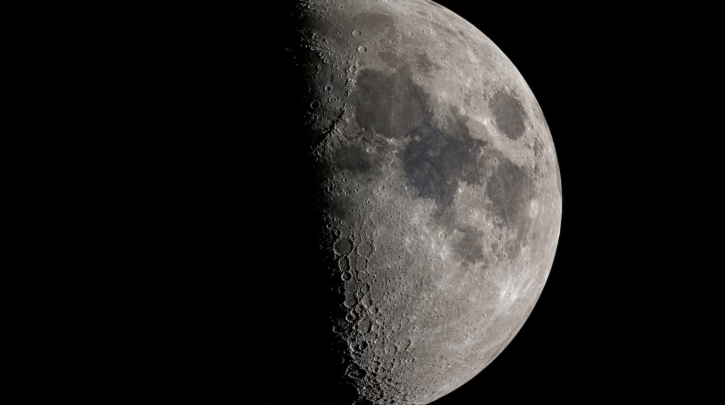
Moon Photography: Settings and Techniques
The Moon is the most forgiving astrophotography target by far — it’s bright enough to shoot handheld in some cases, doesn’t require a dark sky, and is available most nights of the month. Getting real crater detail rather than a flat white disc comes down…
 Written by: Astronomy Guide Editorial Team
Posted on: July 8, 2026
Written by: Astronomy Guide Editorial Team
Posted on: July 8, 2026
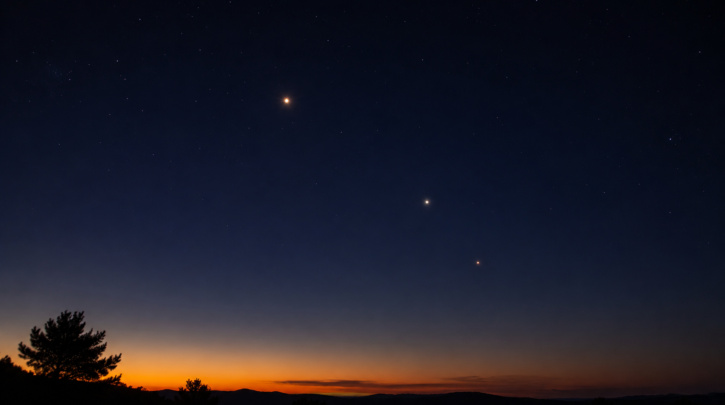
Planet Watching: A Complete Guide to Seeing the Planets
Five planets — Mercury, Venus, Mars, Jupiter, and Saturn — are visible to the naked eye without any equipment at all, and have been observed since antiquity long before telescopes existed. Knowing when and where to look, and how to tell a planet from an…
 Written by: Astronomy Guide Editorial Team
Posted on: July 8, 2026
Written by: Astronomy Guide Editorial Team
Posted on: July 8, 2026
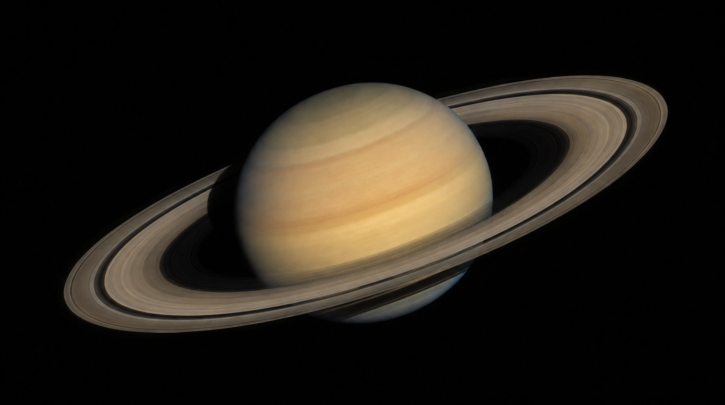
How to See Saturn’s Rings
Saturn’s rings are one of the most requested sights in amateur astronomy, and one of the most satisfying to actually deliver on — but they need a real telescope, not binoculars, and a bit of understanding about magnification and timing to see well. Why Binoculars…
 Written by: Astronomy Guide Editorial Team
Posted on: July 8, 2026
Written by: Astronomy Guide Editorial Team
Posted on: July 8, 2026
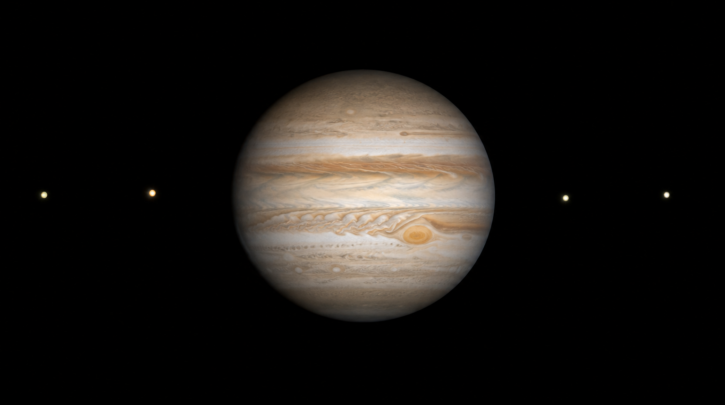
How to See Jupiter’s Moons
Jupiter’s four largest moons — Io, Europa, Ganymede, and Callisto — are bright enough to see in ordinary binoculars, and watching their positions change from night to night is one of the most accessible, genuinely dynamic sights in amateur astronomy. The Galilean Moons Named for…
 Written by: Astronomy Guide Editorial Team
Posted on: July 8, 2026
Written by: Astronomy Guide Editorial Team
Posted on: July 8, 2026
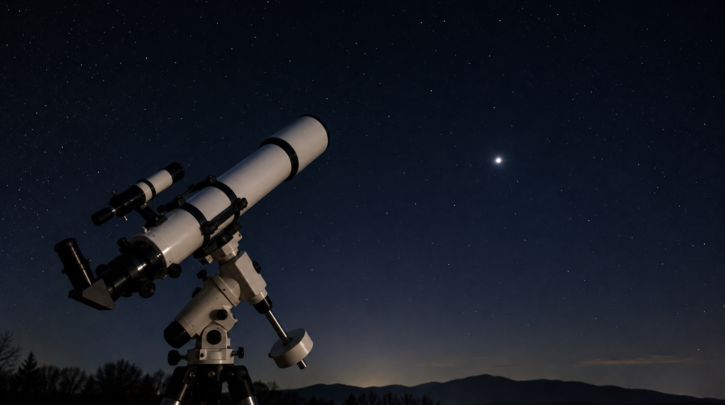
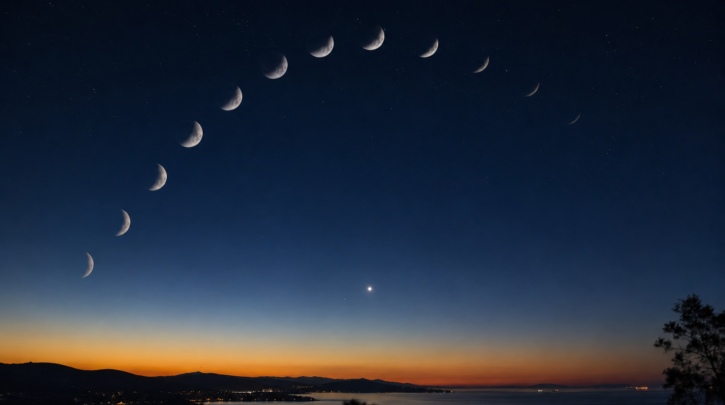
Best Telescopes for Planetary Viewing
Planetary viewing has different priorities than deep-sky observing. Where galaxies and nebulae reward raw light-gathering aperture above all else, planets are bright enough that focal length, optical sharpness, and a steady tracking mount matter just as much, if not more. Focal Length and Focal Ratio…
 Written by: Astronomy Guide Editorial Team
Posted on: July 8, 2026
Written by: Astronomy Guide Editorial Team
Posted on: July 8, 2026
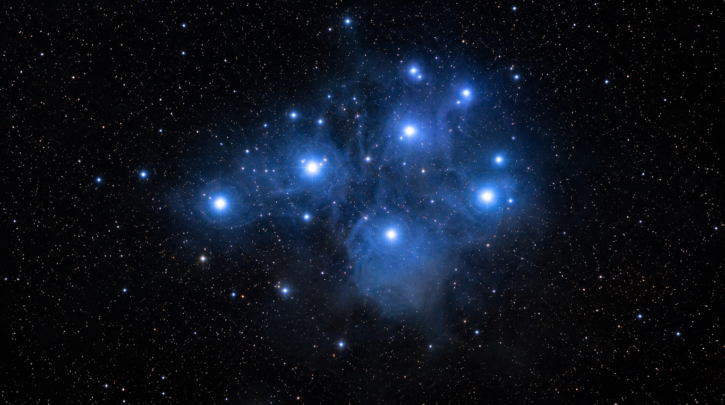
Planet Visibility Calendar: How to Know What’s Up Tonight
A printed or static “planets visible tonight” list goes out of date almost immediately, since planetary positions shift constantly. What doesn’t go out of date is understanding each planet’s visibility cycle and knowing which tools to check for the current, accurate picture — which is…
 Written by: Astronomy Guide Editorial Team
Posted on: July 8, 2026
Written by: Astronomy Guide Editorial Team
Posted on: July 8, 2026
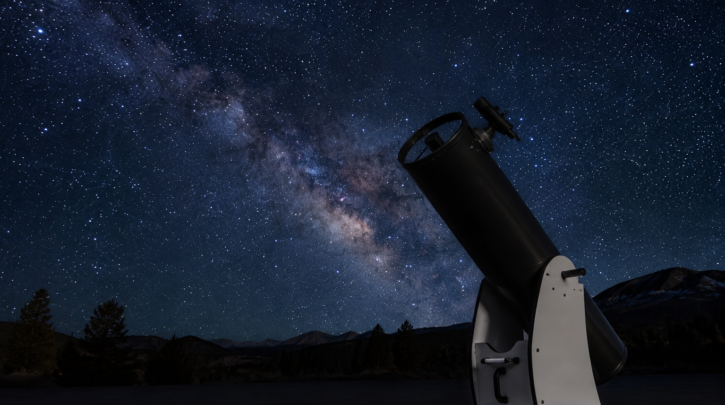
Deep-Sky Observing: A Complete Guide to Clusters, Nebulae, and Galaxies
Deep-sky objects — everything beyond our own solar system, from star clusters to nebulae to entire galaxies — are the most rewarding and most demanding targets in amateur astronomy. They’re faint, they need real aperture and dark skies to show much detail, and the eyepiece…
 Written by: Astronomy Guide Editorial Team
Posted on: July 8, 2026
Written by: Astronomy Guide Editorial Team
Posted on: July 8, 2026
Best Telescopes for Galaxy Hunting
Galaxy hunting flips the priorities that matter for planetary viewing: aperture matters more than focal ratio, and a genuinely dark sky matters more than almost any equipment upgrade. It’s also the category where the gap between traditional and smart telescopes is largest — and most…